ERP

Made for the Ones Who Uses it Daily
For day-to-day tasks, quick decisions, and everything in between.
"Efficiency is doing things right; effectiveness is doing the right things."
Peter Drucker
MANAGEMENT CONSULTANT
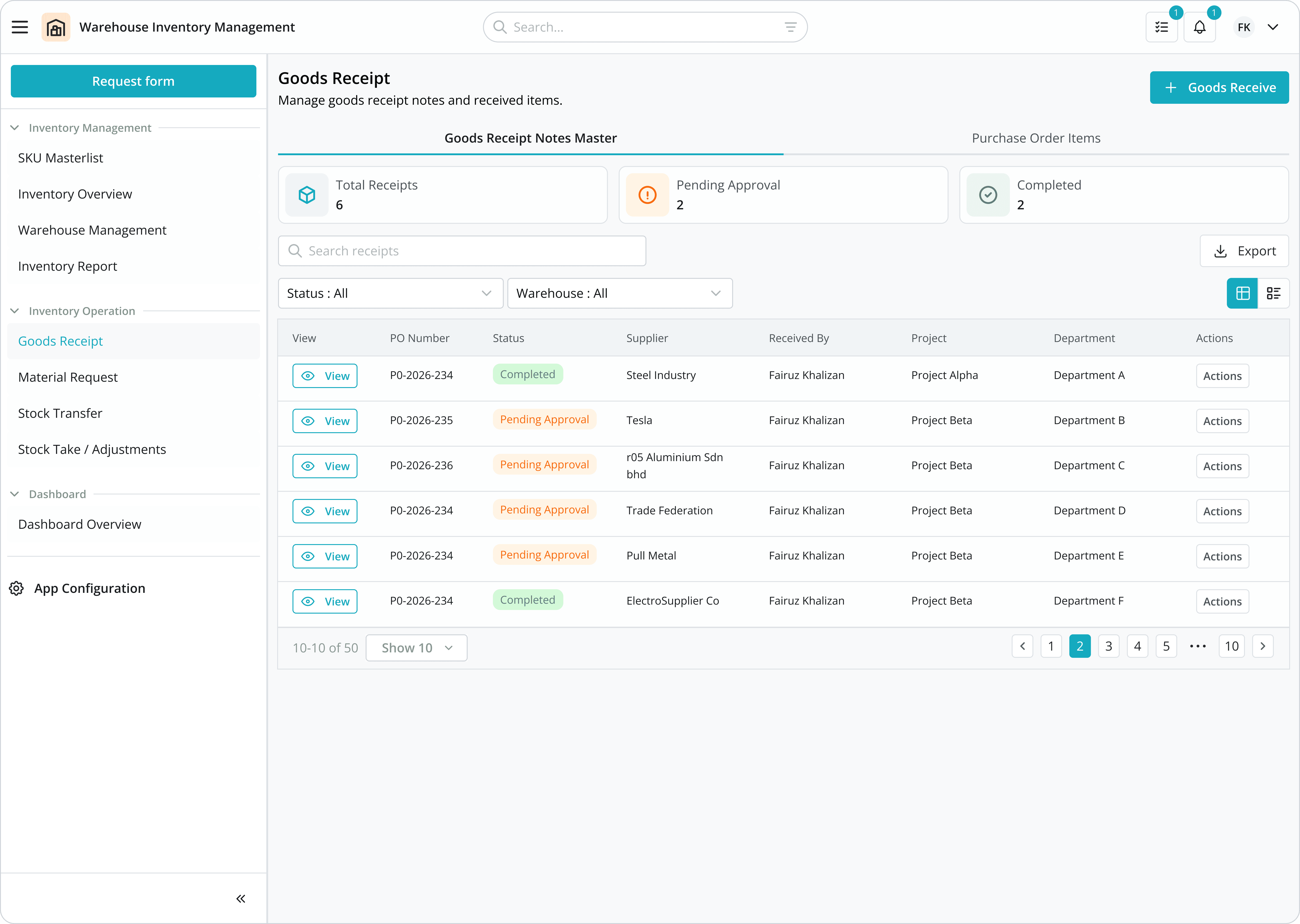
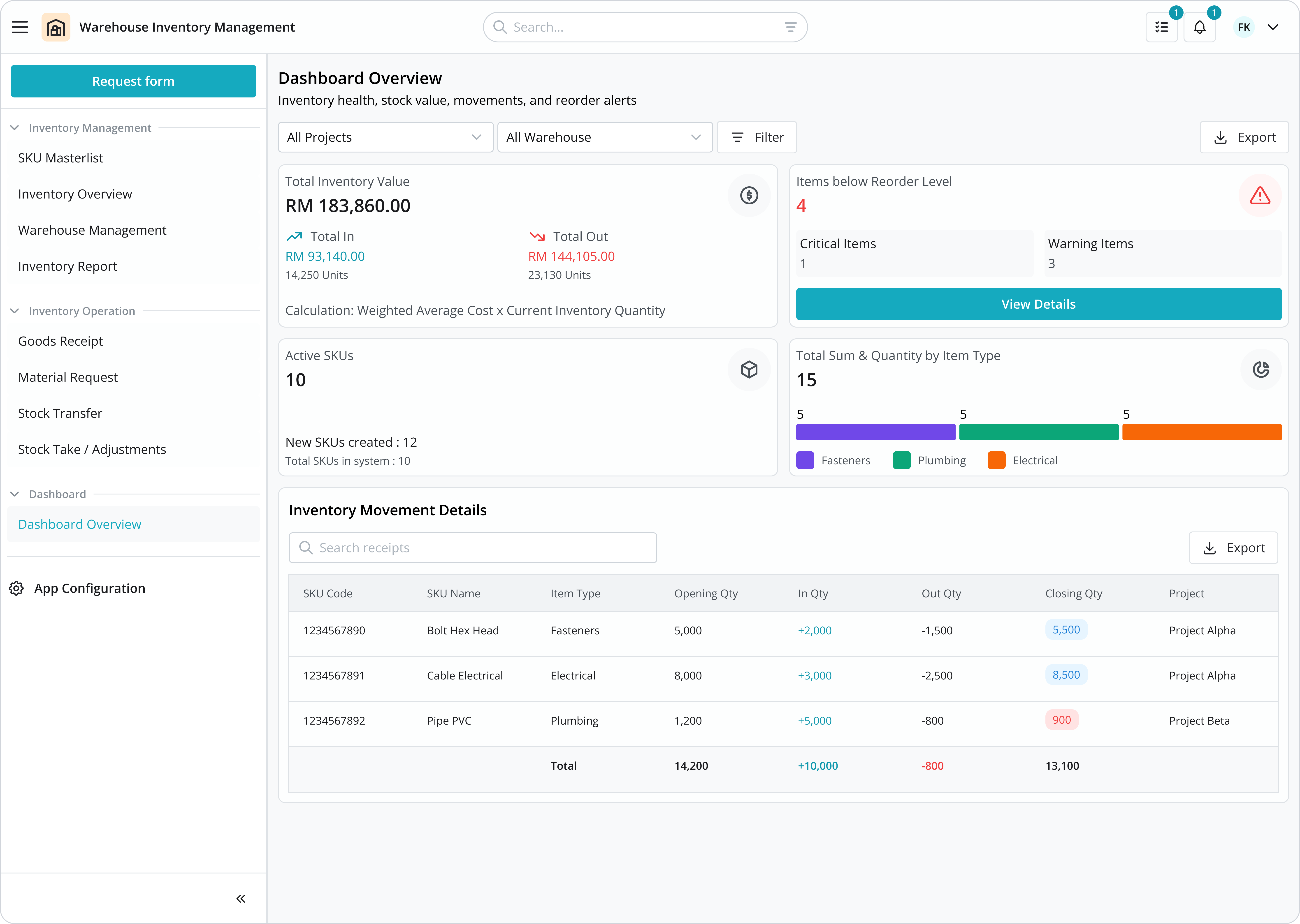
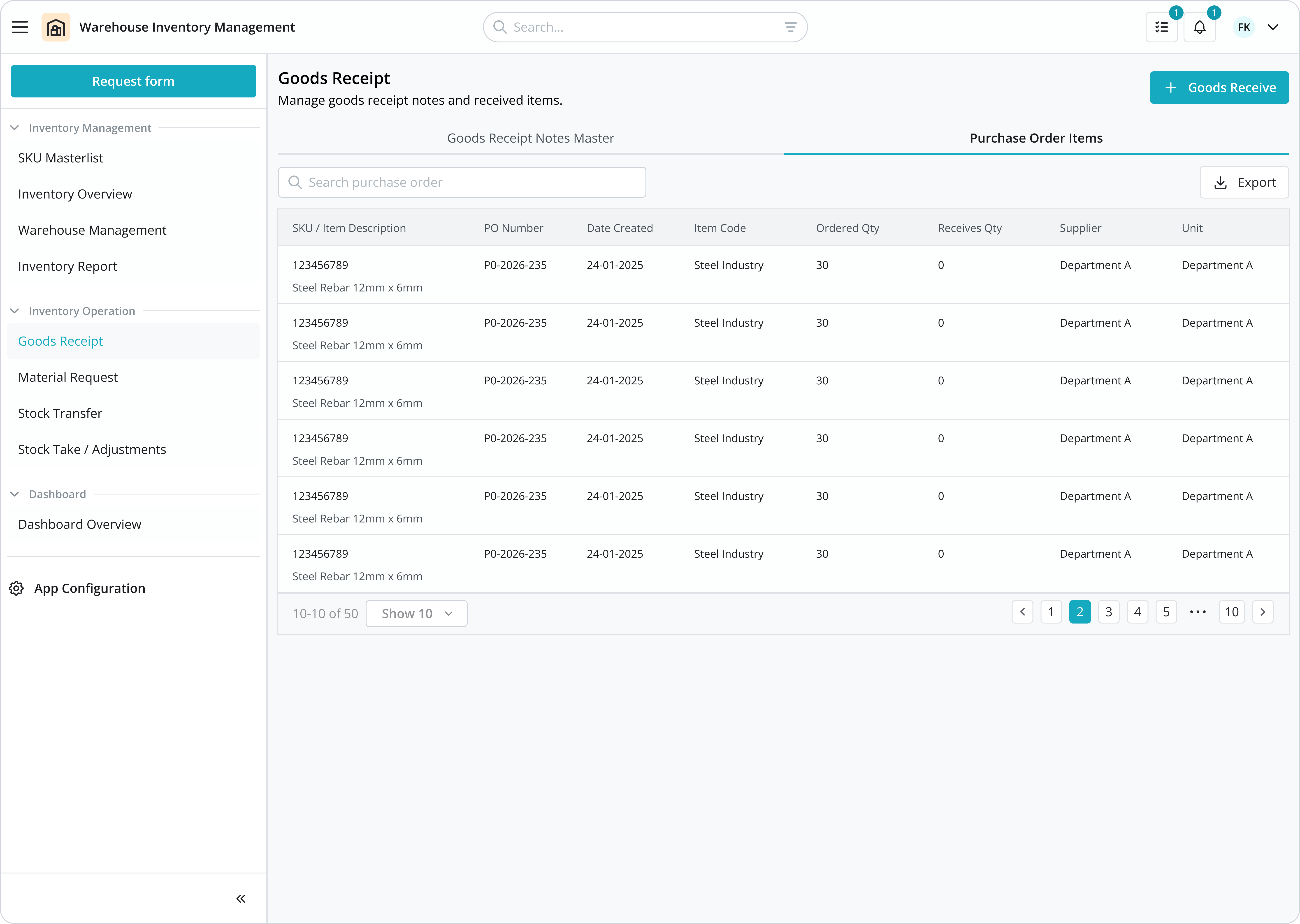
When we set out to build this ERP system at Tinkerve, it wasn’t just about creating software but it was about solving real, everyday problems for the people who would actually use it. This wasn’t a product for the public. It was an internal tool for our client, designed to support how their operations run on the ground
That became the foundation of how I approached the product as not just as an ERP system, but as a tool that quietly enables everyone to do their job better.


Challenge #1
What Happens When Everyone Needs Something Different?
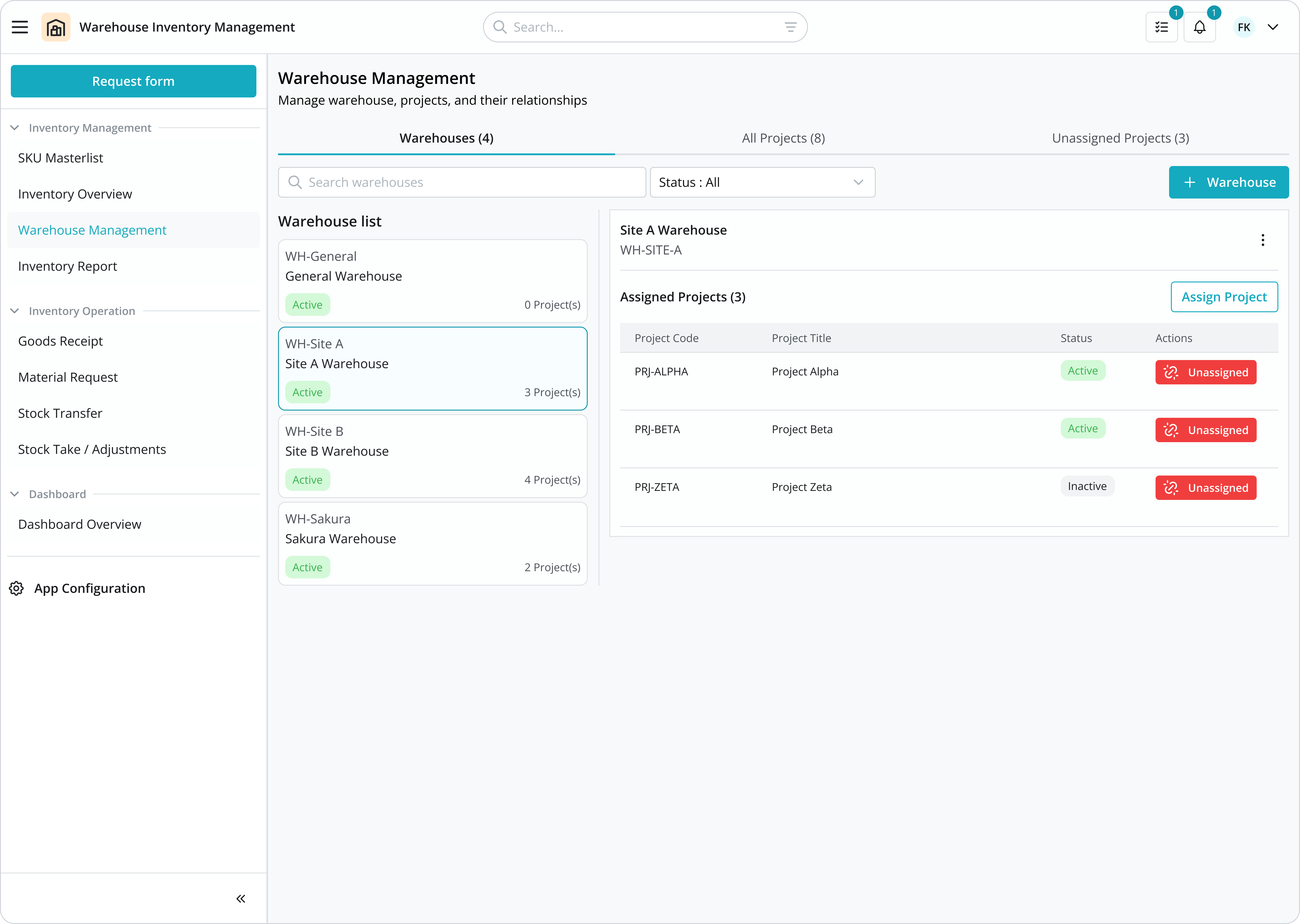
One System with Three Different Ways of Working
People don't use ERP the same way.
There are three different goal.:
Workers complete tasks.
Supervisors decide actions.
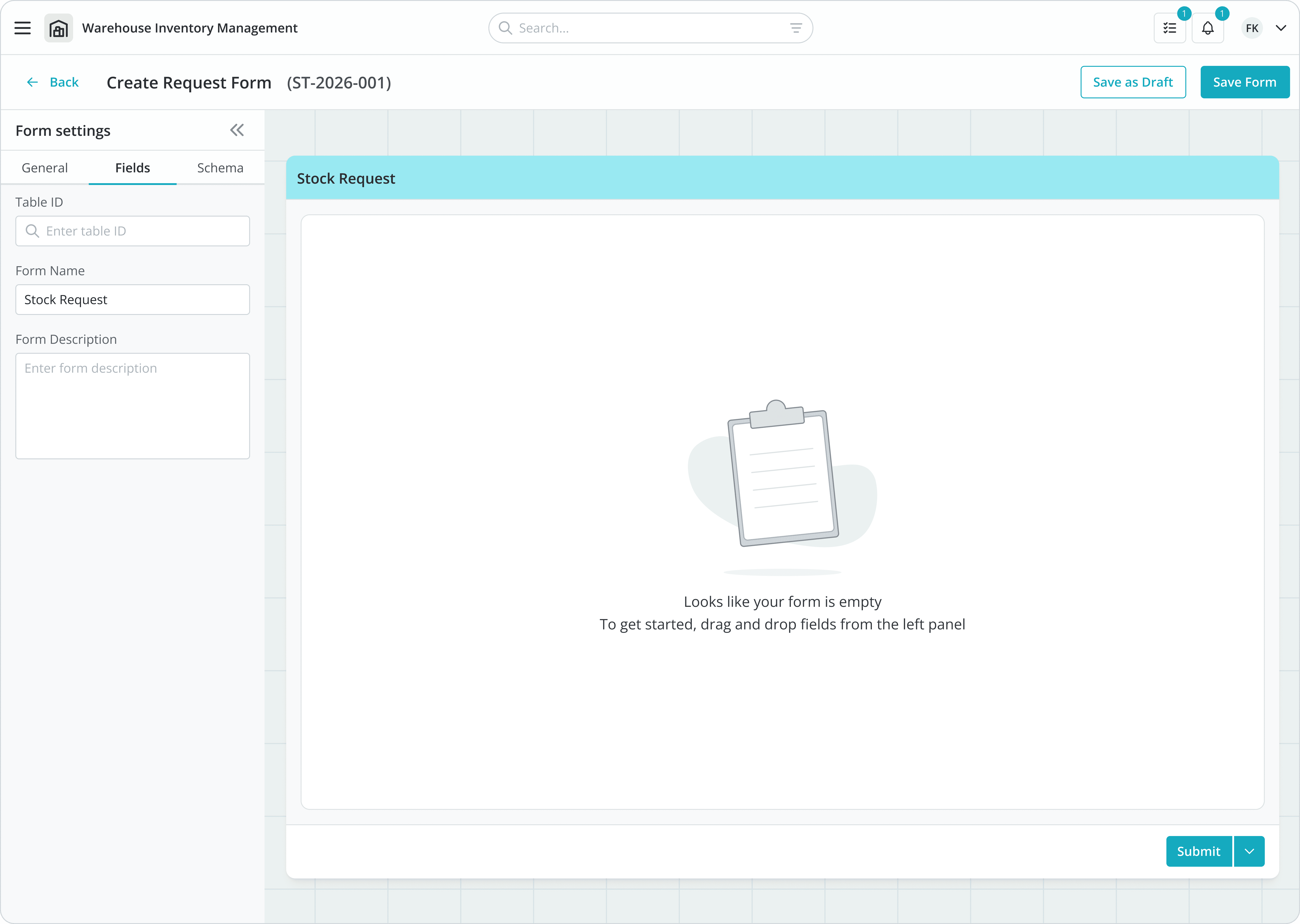
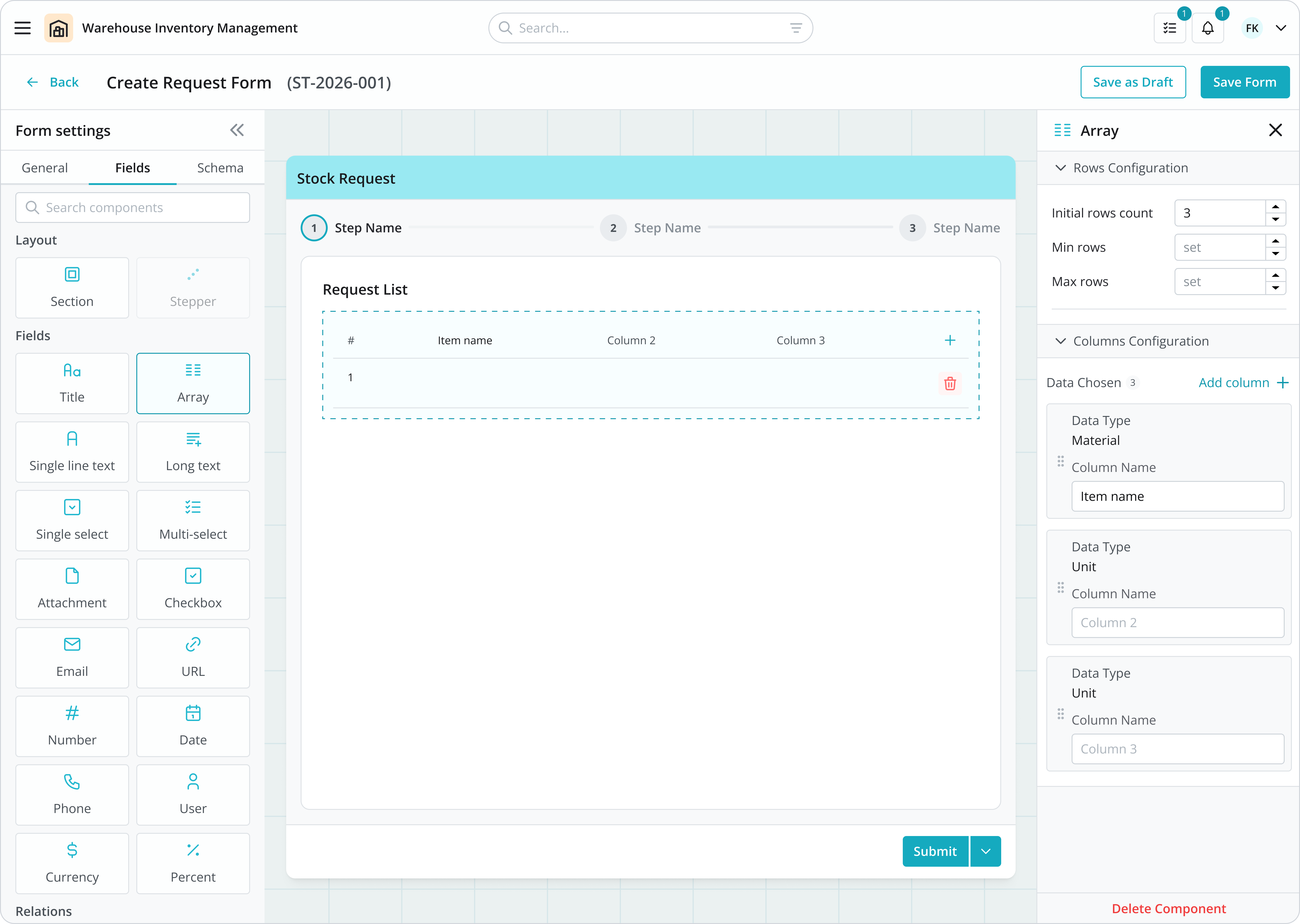
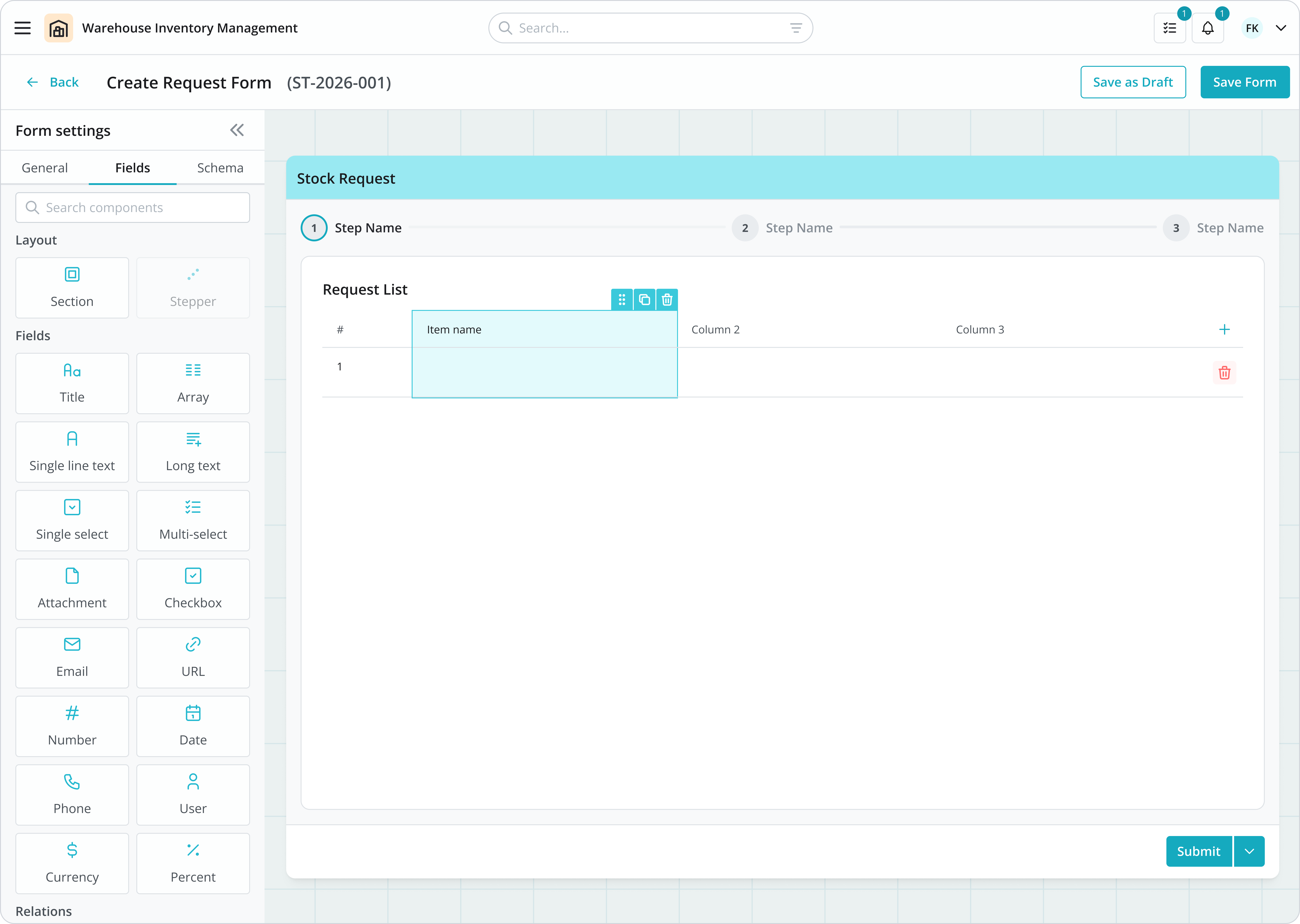
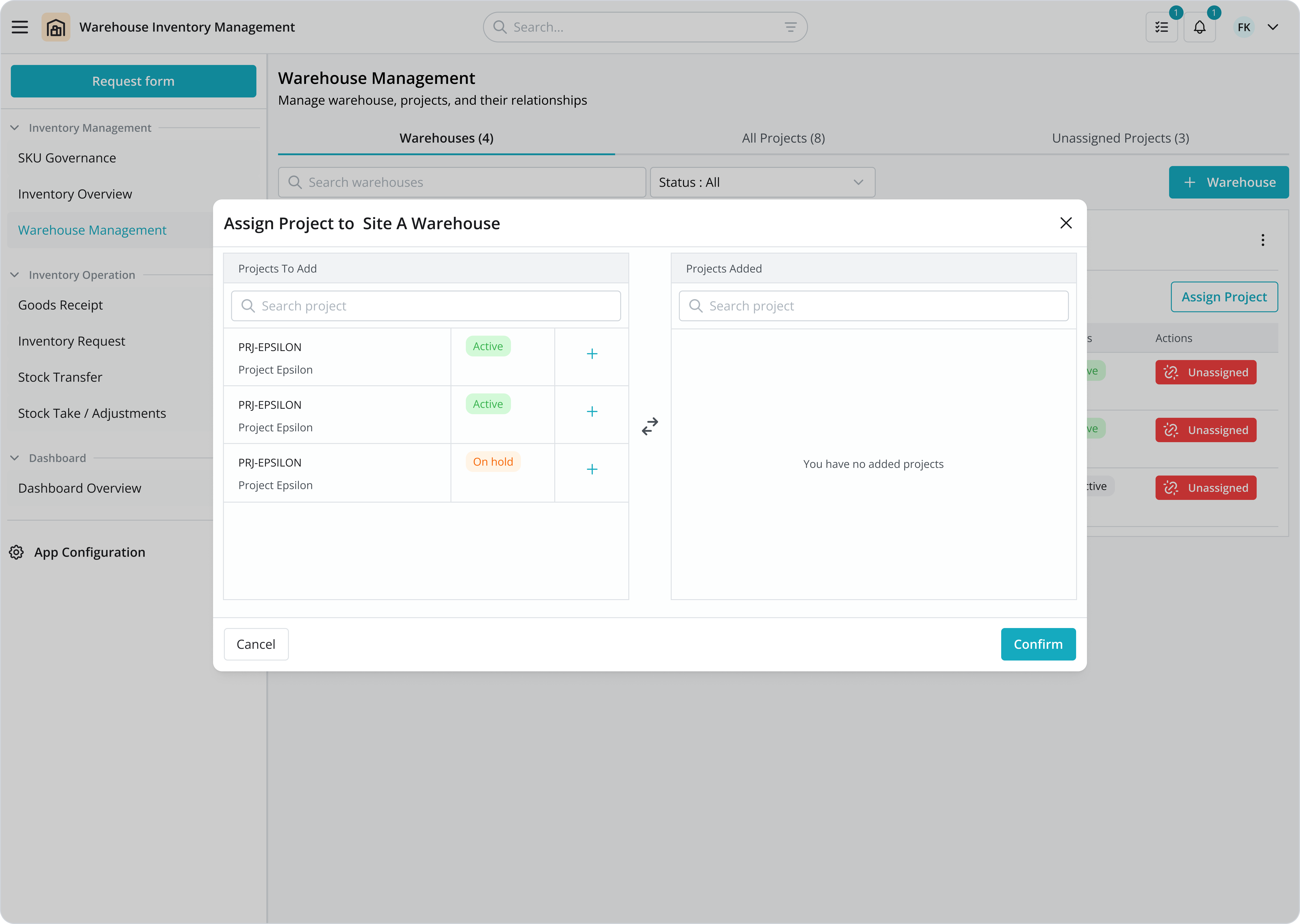
Consultants configure workflows.
The assumption was we believed we should generalized the entire UI but I learnt that different roles don't need different systems.
They need different levels of complexity.
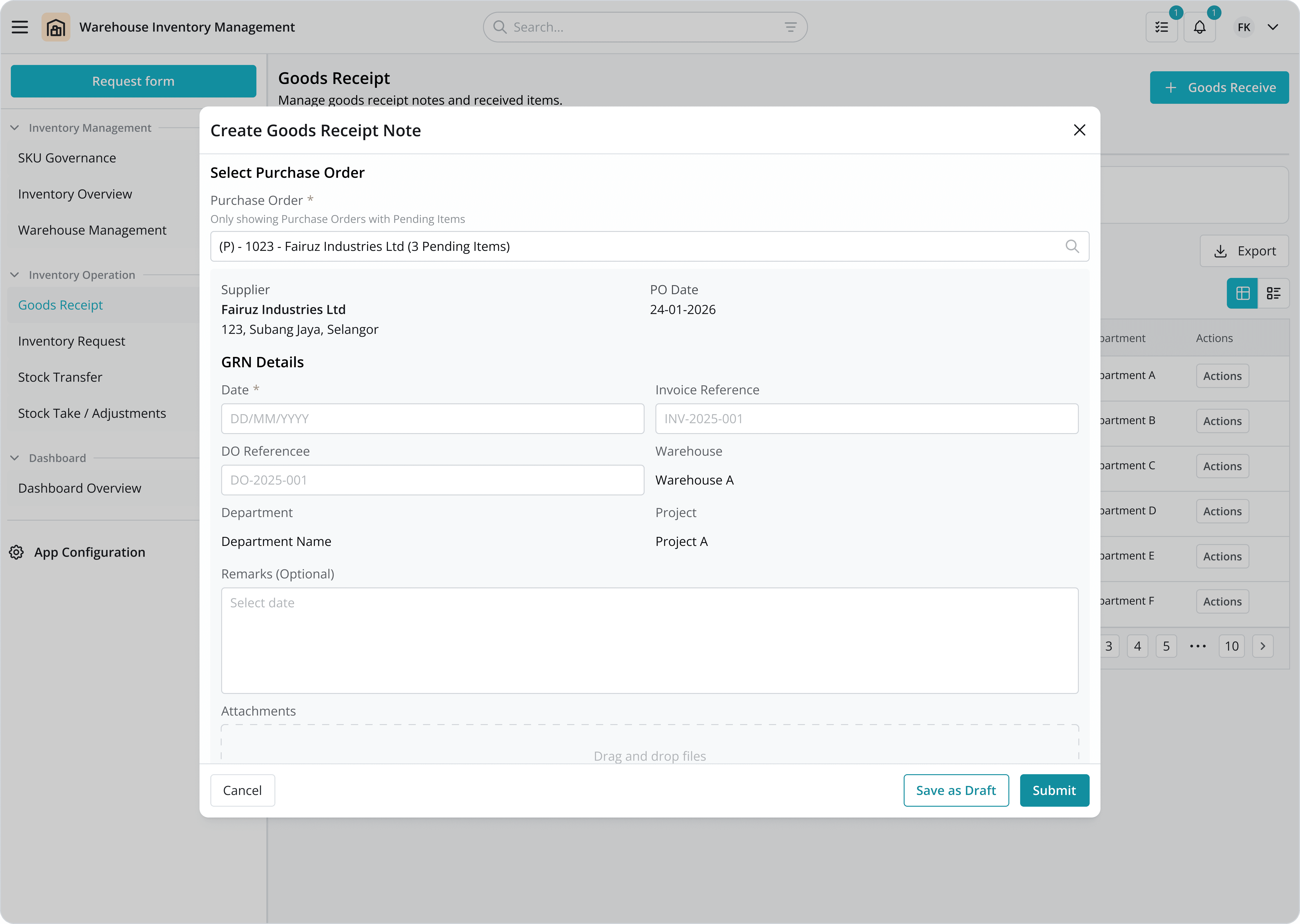
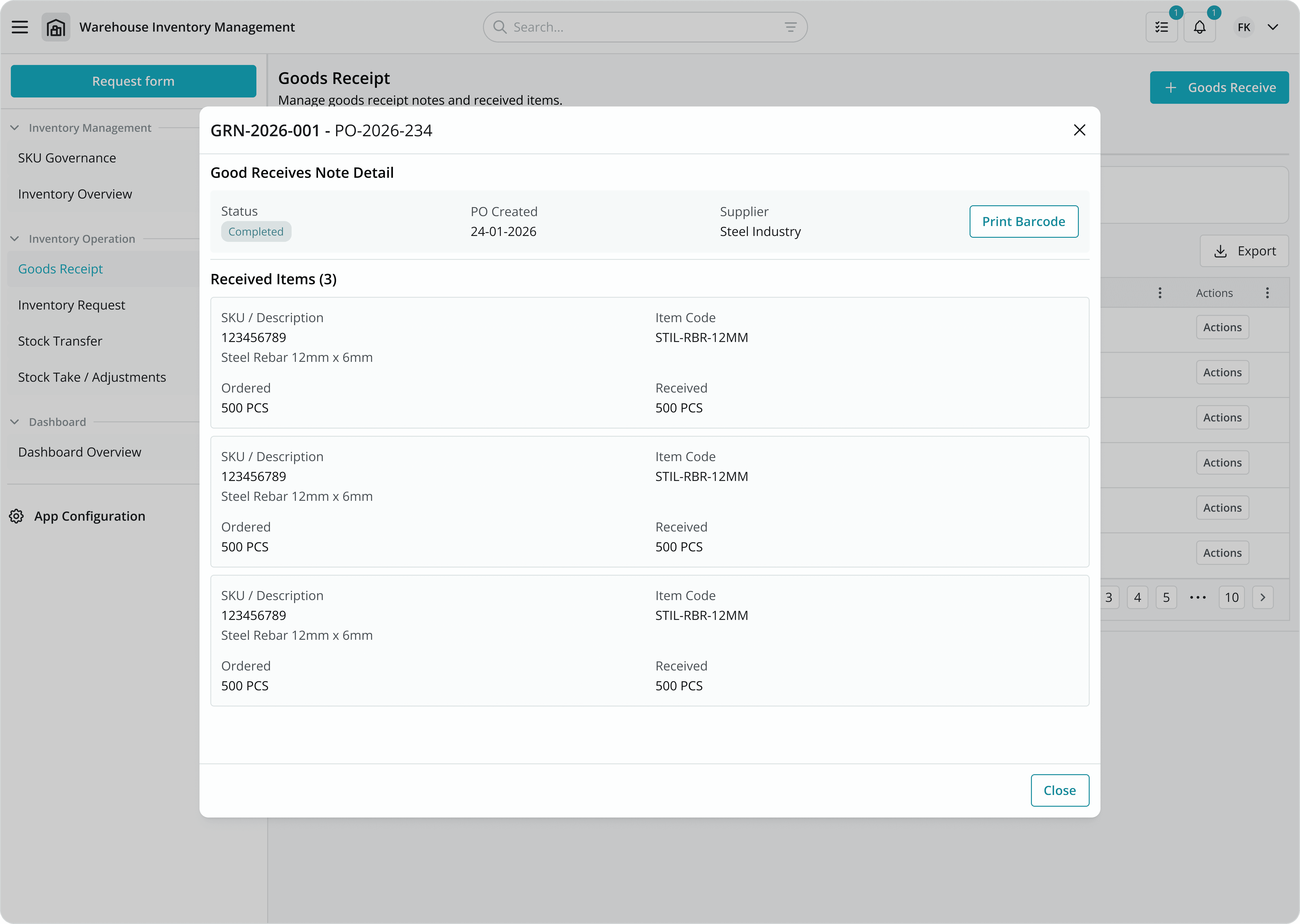
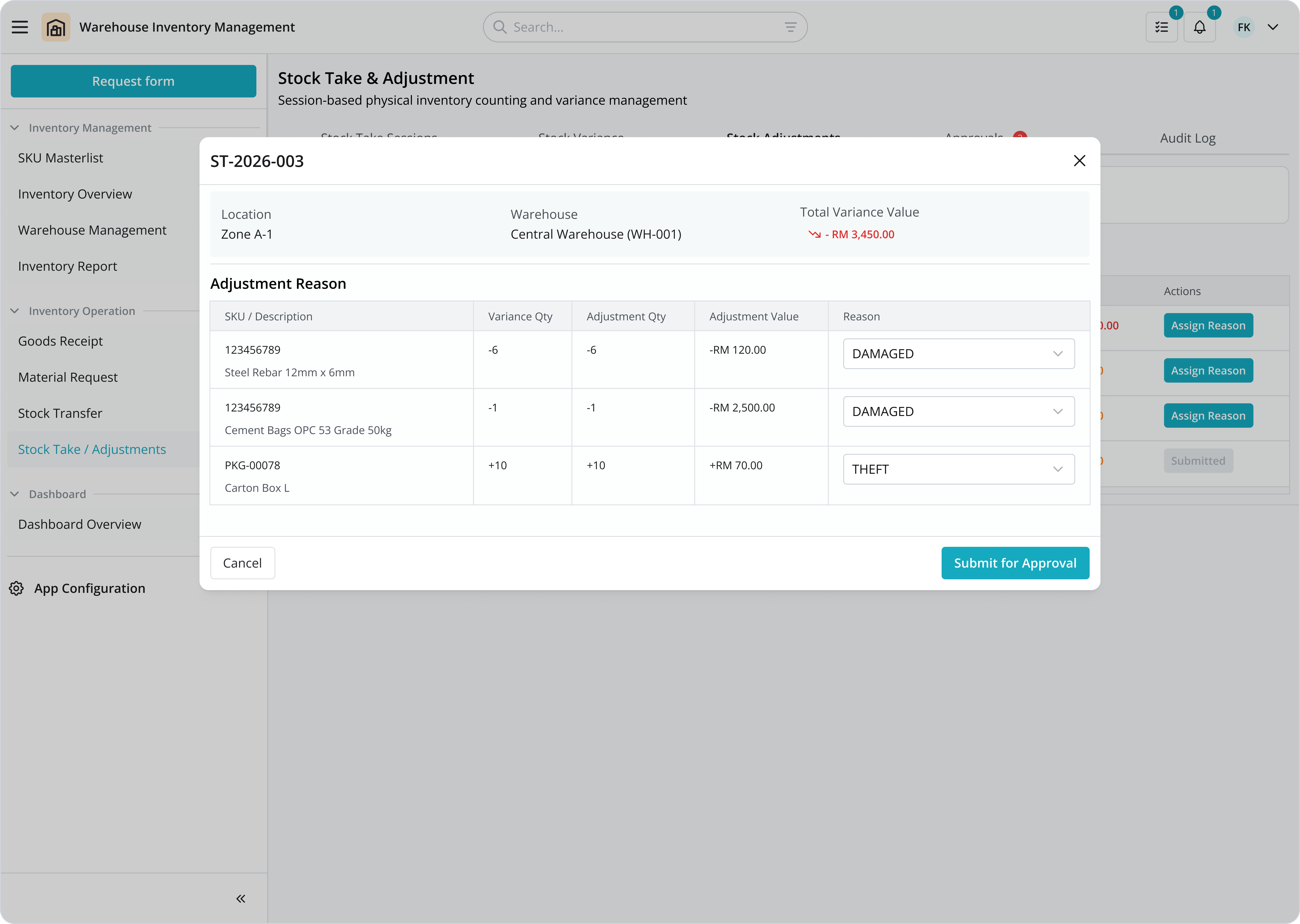
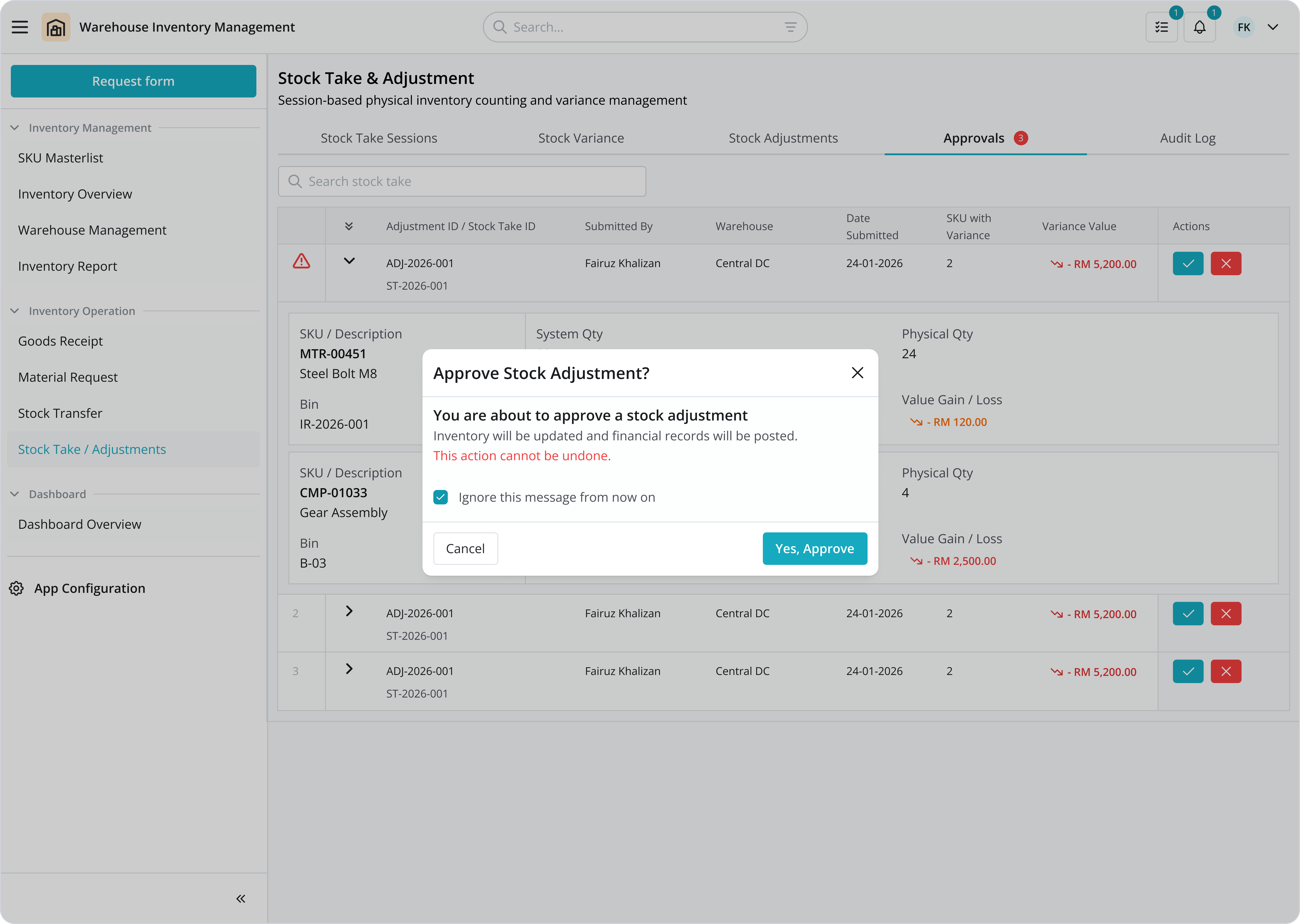
Determining the flow for General Workers
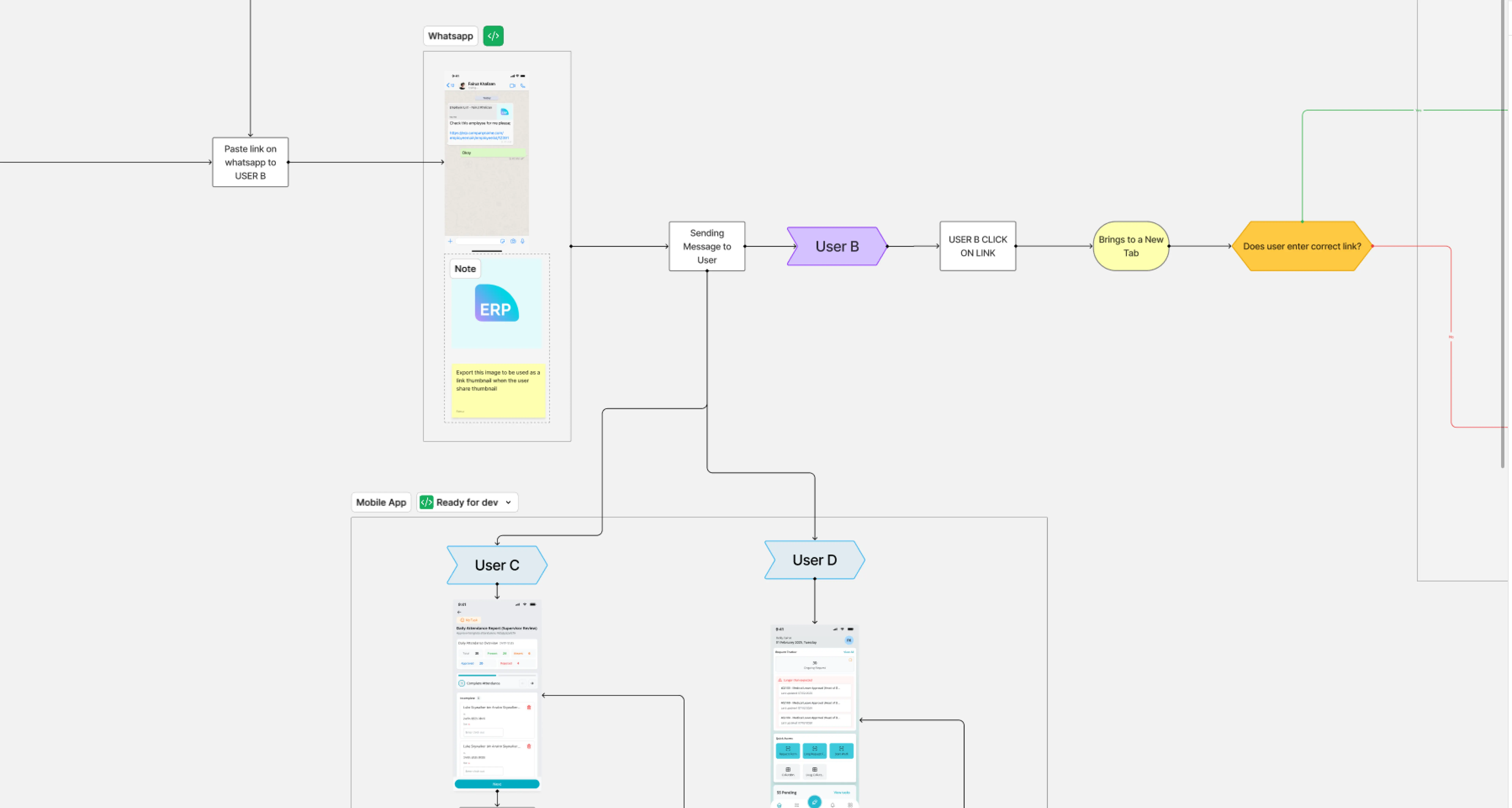
Form Request Tracker
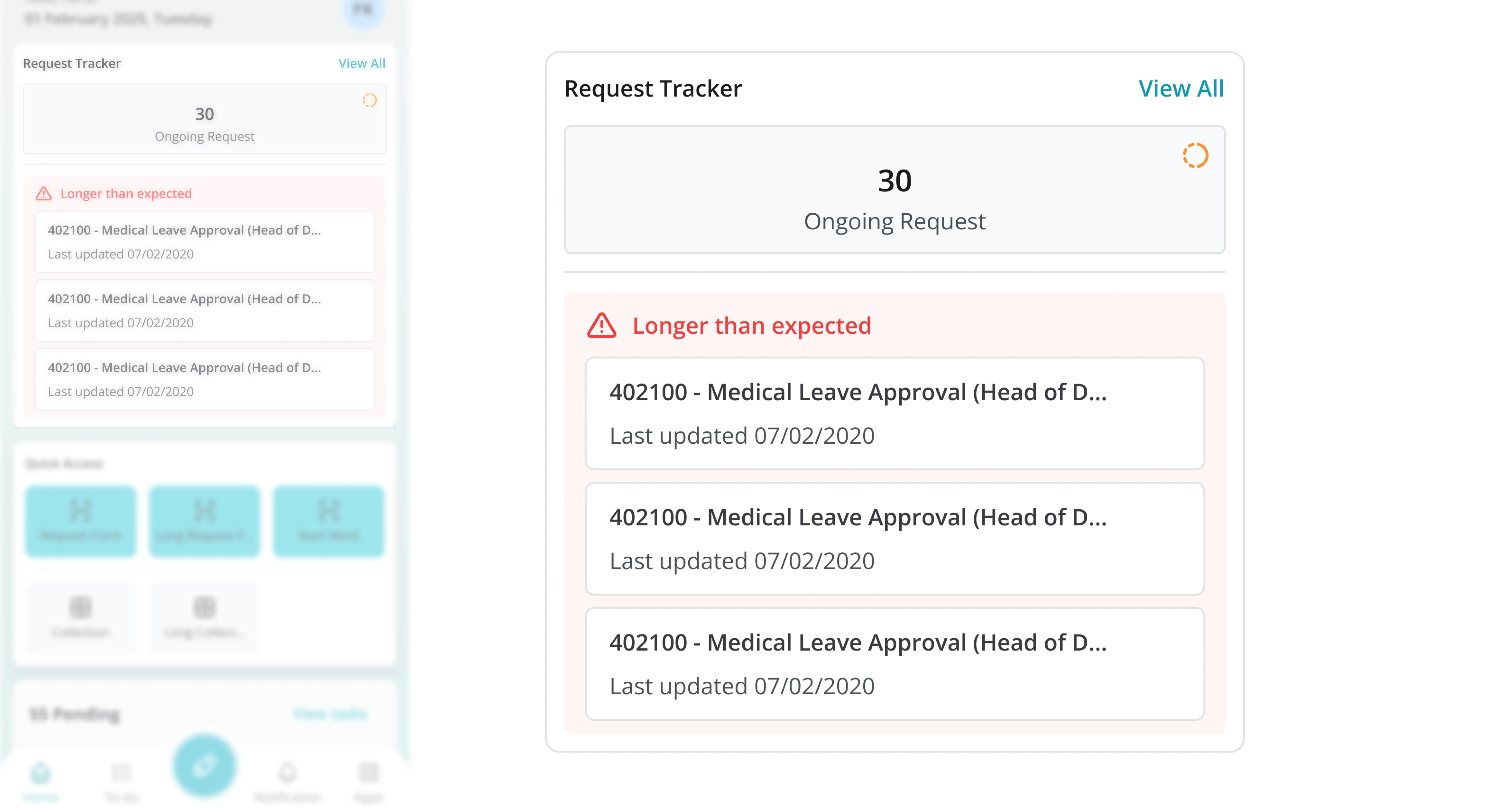
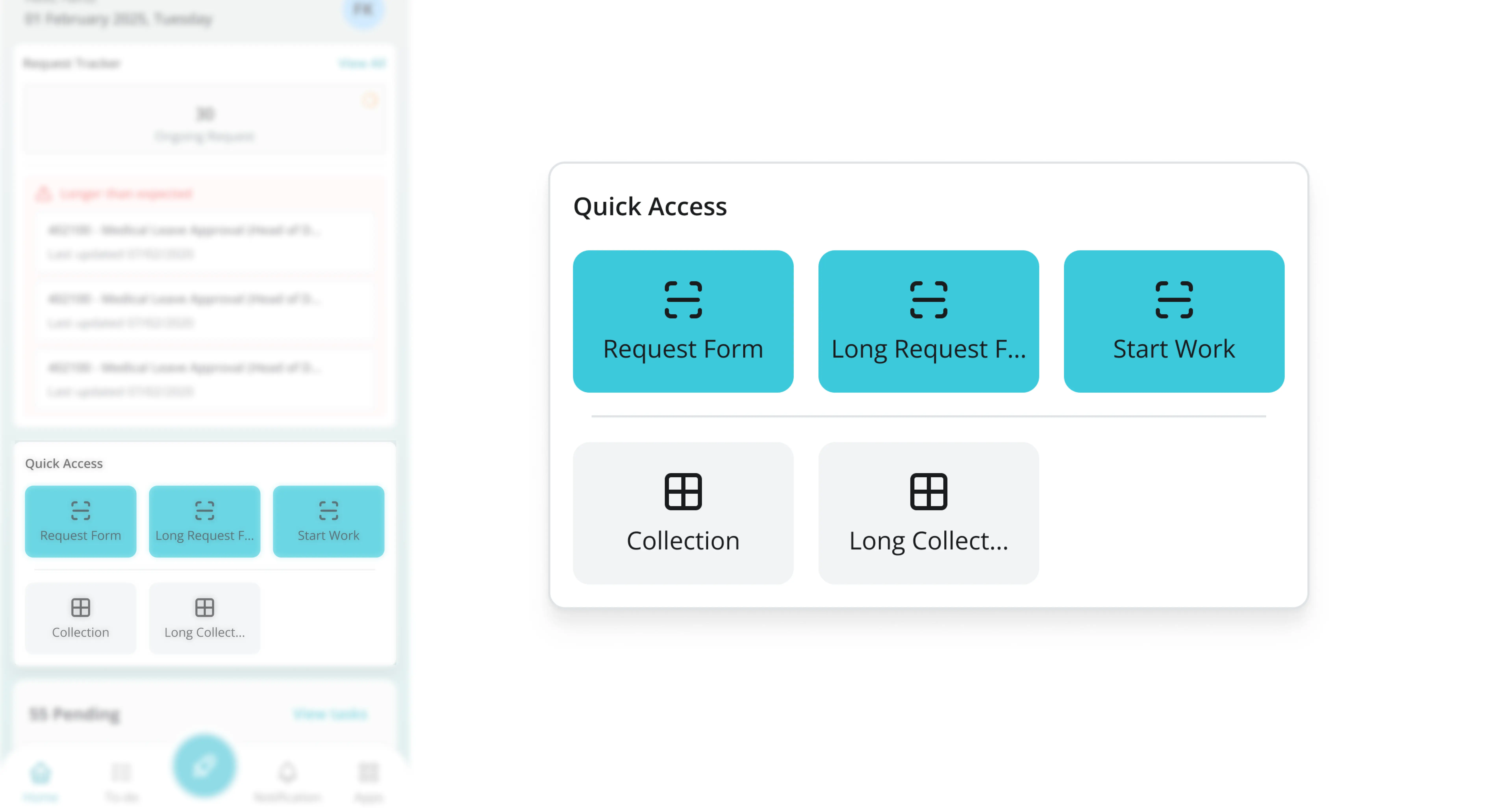
Submit Form Access Mobile
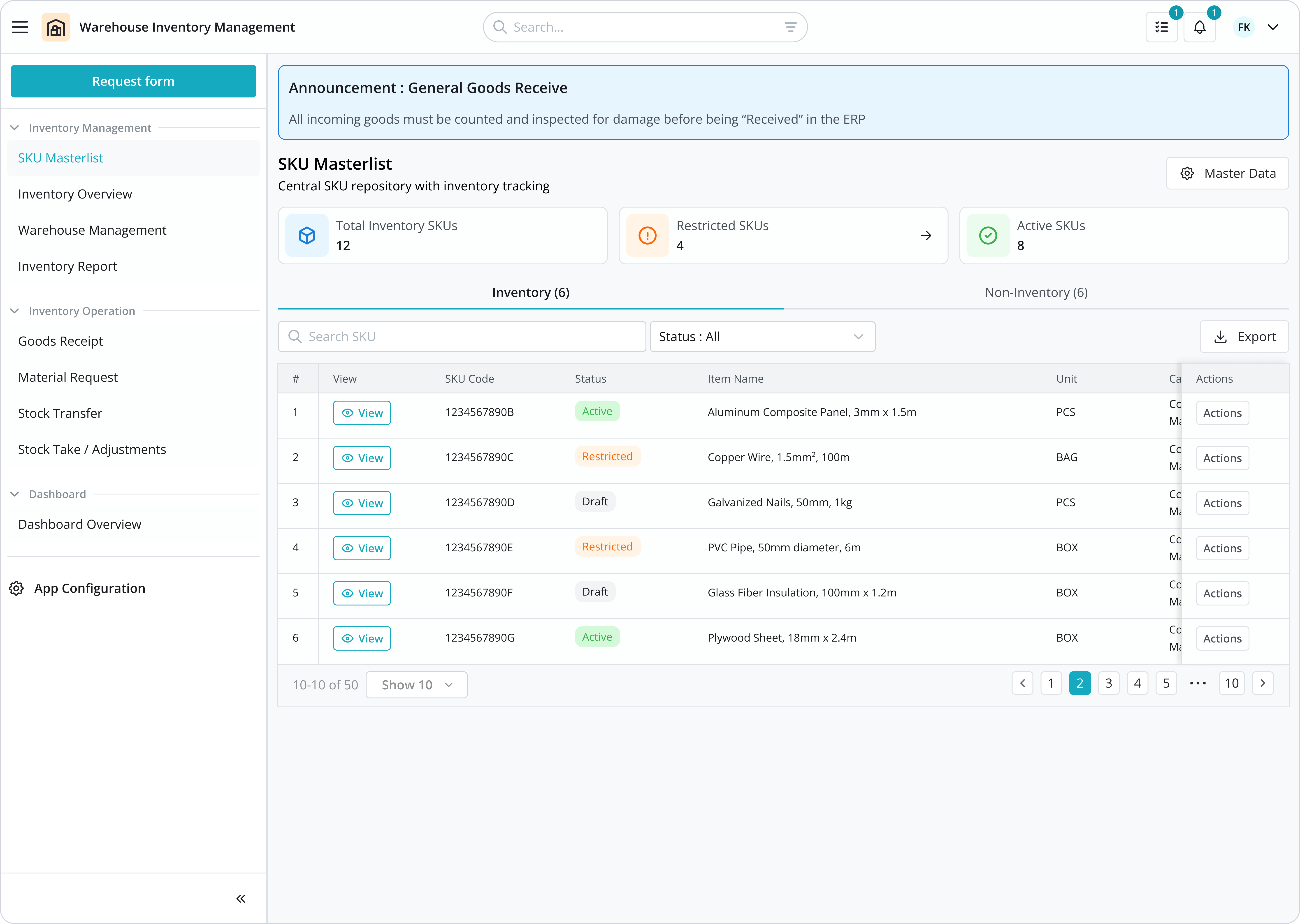
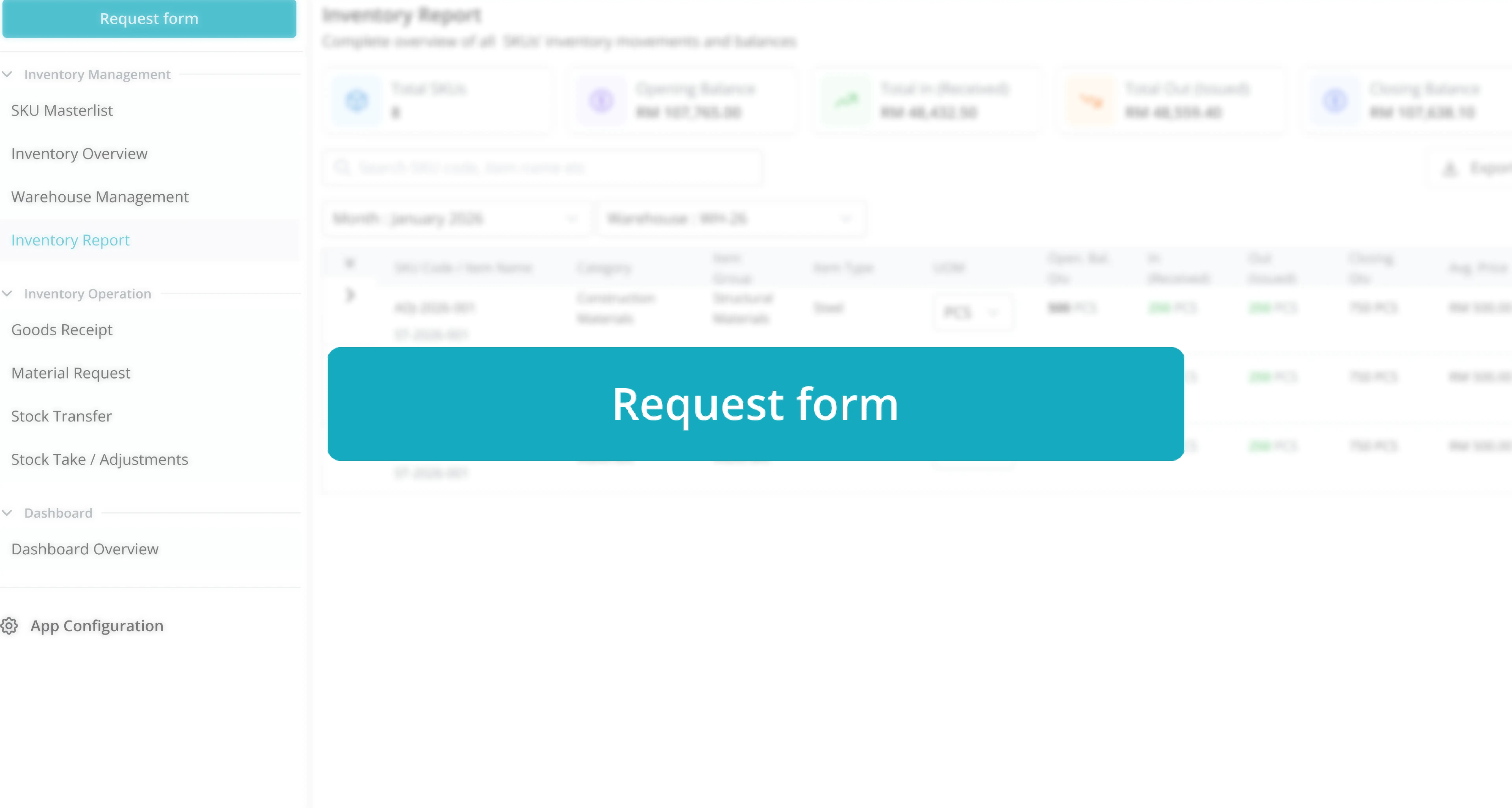
Request Form from Side Nav
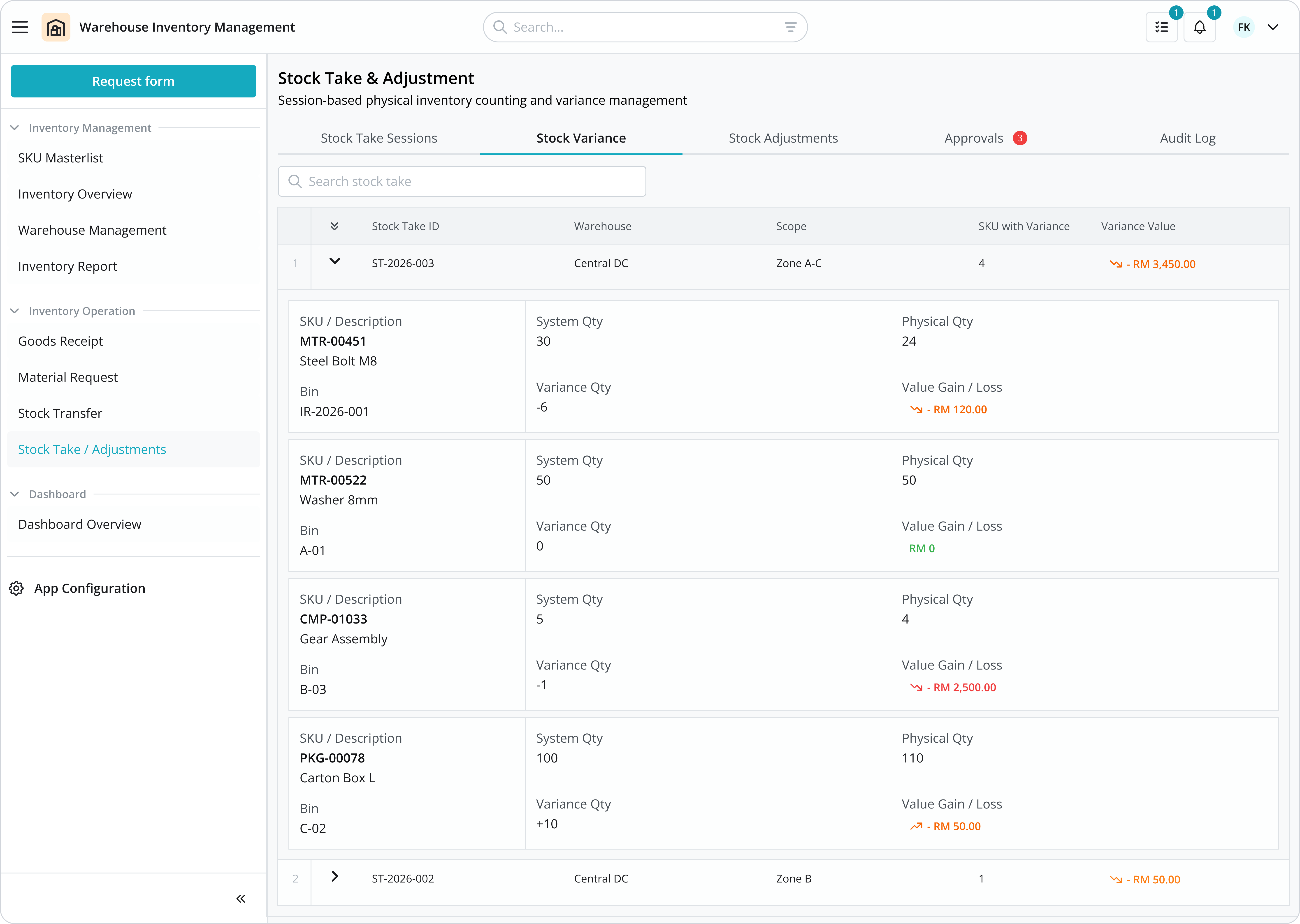
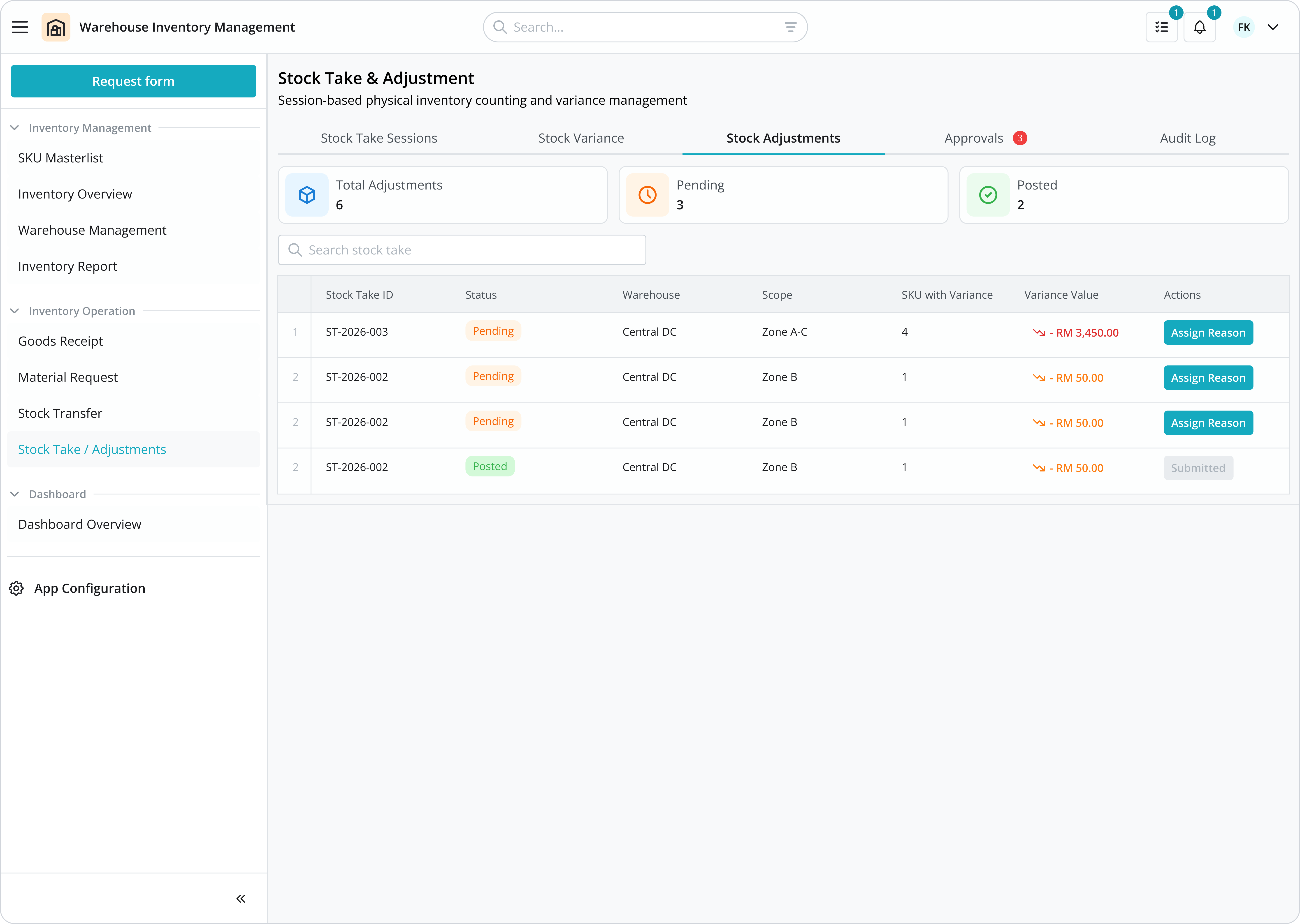
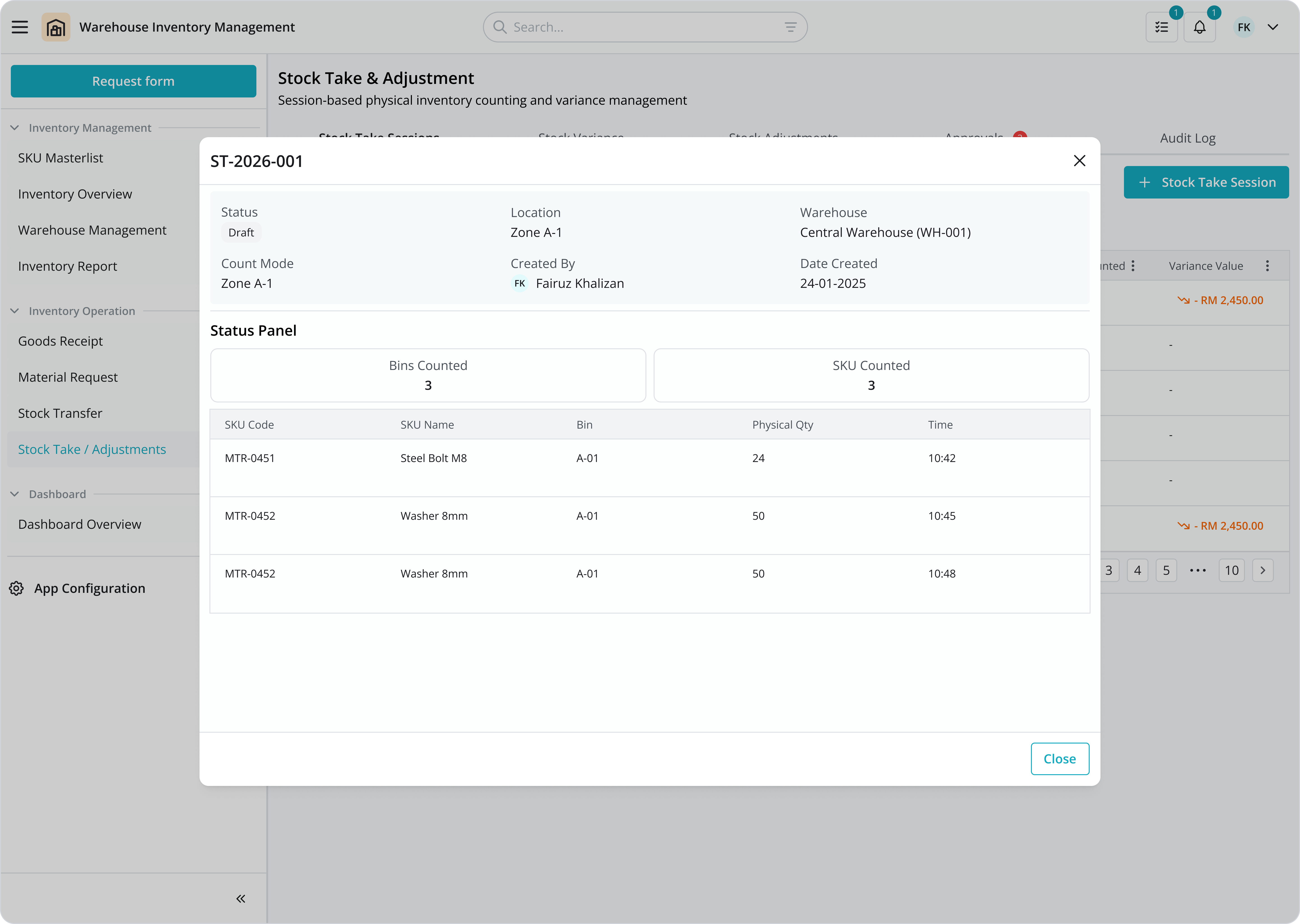
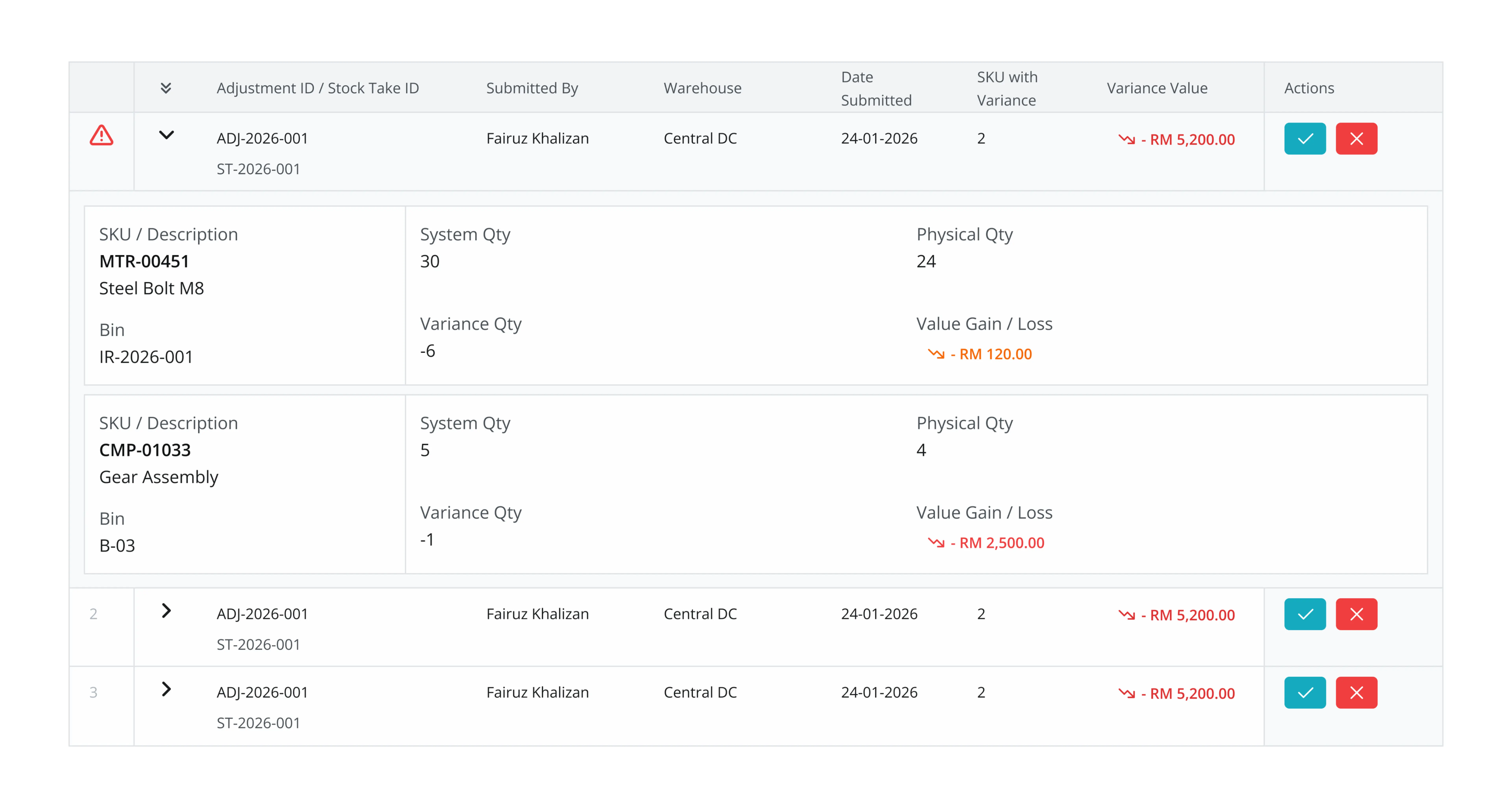
Approval for Stock Taking
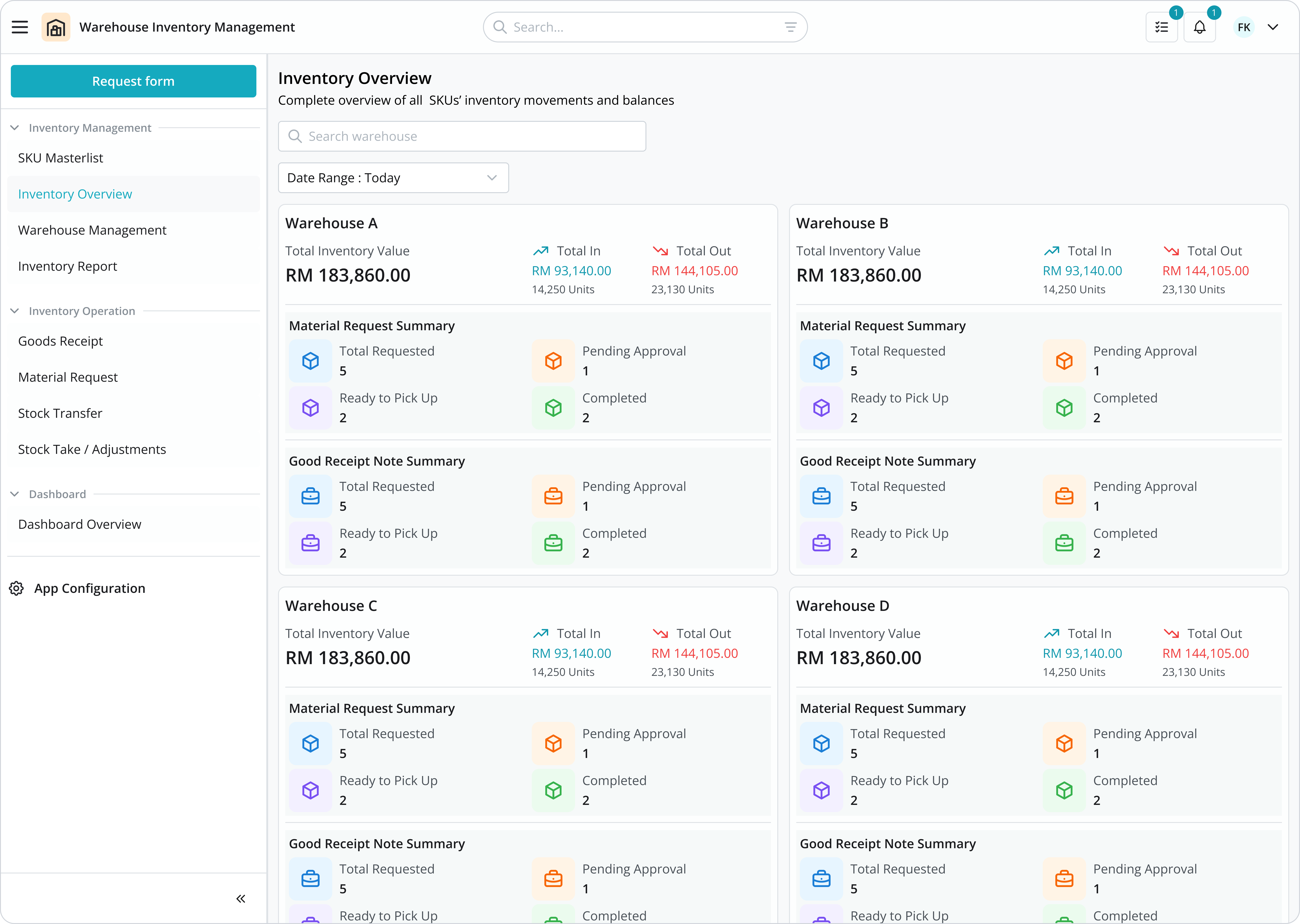
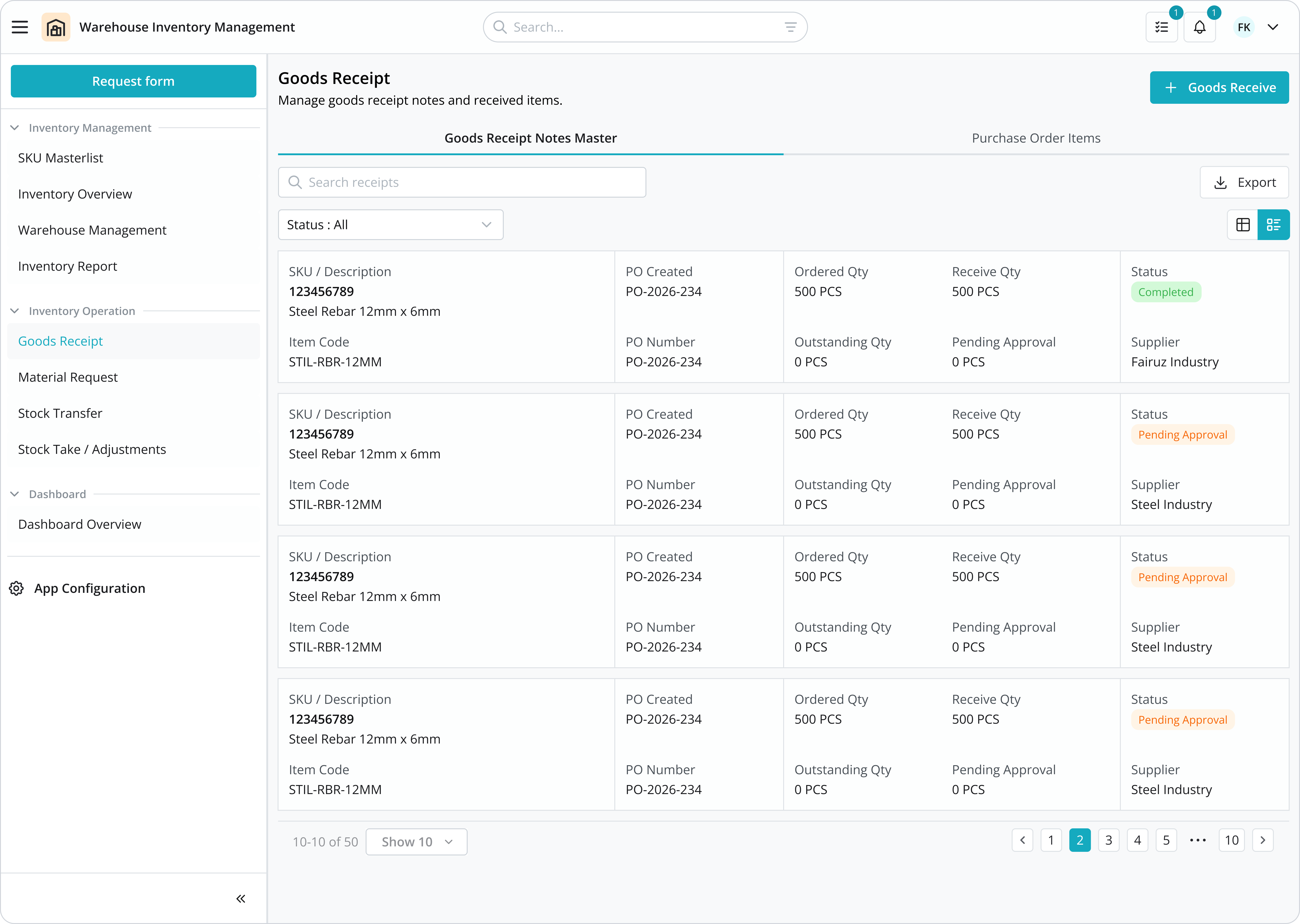
Inventory Overview for Each Warehouses

Material Request Table

Workflow Log
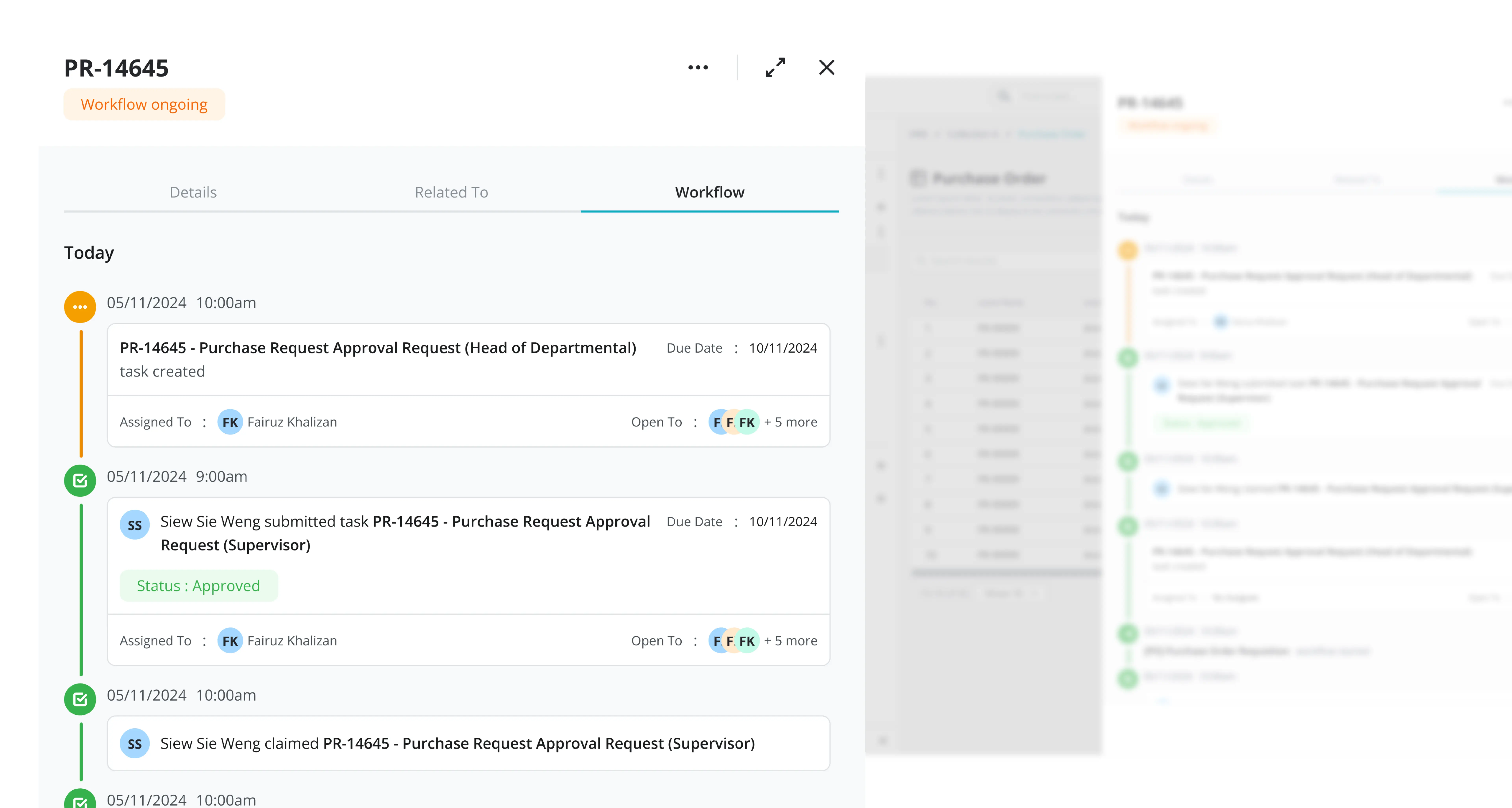
The challenge wasn’t just designing features for each group. It was making sure one experience didn’t get in the way of another.
If we designed for flexibility first, we risked overwhelming the workers. If we simplified too much, we limited what consultants could do. And if we focused only on data visibility, we slowed down execution on the ground.
So the approach became clear; design for simplicity on the surface, and power underneath.
This meant keeping the interfaces clean and task-focused for daily users, while structuring the system in a way that allowed deeper control without exposing unnecessary complexity upfront. Instead of one bloated experience, we created layers with each role interacting with the system differently, but all within the same product.